Eco Energy Myths Busted: Separating Fact from Fiction

The world of eco-friendly energy is constantly evolving, bringing with it a wealth of information – and unfortunately, some misinformation. To make informed decisions about adopting sustainable solutions, it's crucial to separate fact from fiction. Let's debunk some common myths surrounding eco energy products and reveal the truth behind them.
Myth 1: Renewable Energy is Too Expensive and Unreliable.
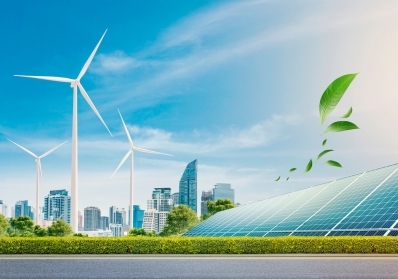
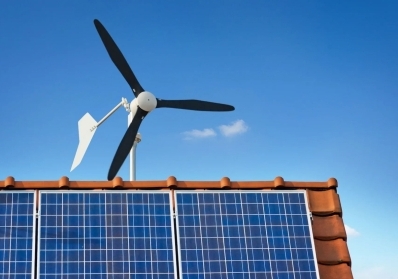
Busted: This is a persistent misconception. The cost of renewable energy technologies, particularly solar and wind, has plummeted dramatically in recent years, making them increasingly competitive with, and often cheaper than, fossil fuels. Furthermore, advancements in energy storage (like batteries) and smart grid technologies are significantly improving the reliability and consistency of renewable energy supply. Hybrid systems combining different renewable sources also enhance reliability.
Myth 2: Solar Panels Don't Work Well in Cloudy or Cold Climates.
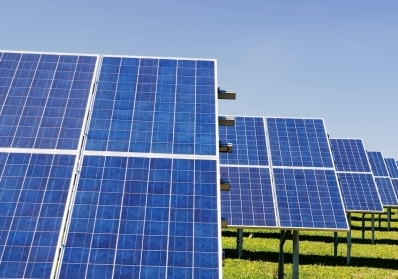
Busted: While direct sunlight is optimal, solar panels can still generate electricity on cloudy days. They utilize both direct and diffuse sunlight. Cold temperatures can actually improve the efficiency of solar panels, as they operate best within a certain temperature range. Many regions with significant cloud cover and cold winters have successfully adopted solar energy.
Myth 3: Wind Turbines are Noisy and Harmful to Wildlife.
Busted: Older wind turbine designs did produce more noise, but modern turbines are significantly quieter due to improved engineering and blade design. Noise levels are typically comparable to the rustling of leaves at a reasonable distance. Regarding wildlife, while bird and bat collisions can occur, the industry is constantly implementing mitigation strategies such as optimized turbine placement, operational adjustments, and deterrent technologies to minimize these impacts.
Myth 4: Electric Vehicles (EVs) are Powered by Fossil Fuels Through the Grid.
Busted: While it's true that the electricity grid in many places still relies on a mix of energy sources, including fossil fuels, the overall emissions from an EV are typically lower than those of a gasoline car, even when accounting for electricity generation. As the grid transitions to cleaner renewable energy sources, the environmental benefits of EVs will only increase. Furthermore, EV owners can directly power their vehicles with renewable energy generated at home through solar panels.
Myth 5: Hydropower is Always a Clean and Environmentally Friendly Energy Source.
Busted: While hydropower is a renewable energy source, large-scale dam projects can have significant environmental and social impacts, including habitat destruction, altered river flow, and displacement of communities. However, smaller-scale, run-of-river hydropower projects can have a much lower environmental footprint. It's crucial to evaluate the specific type and scale of a hydropower project to assess its true environmental impact.
Myth 6: Recycling Doesn't Really Make a Difference.
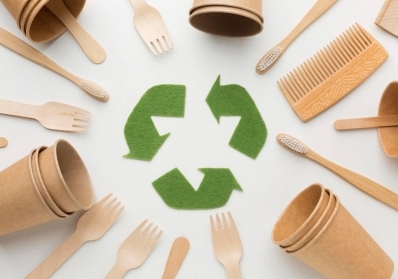
Busted: Recycling is a vital component of a circular economy and plays a significant role in conserving natural resources, reducing landfill waste, and lowering energy consumption. Manufacturing products from recycled materials generally requires less energy than producing them from virgin resources. While the effectiveness of recycling systems can vary, the fundamental principle of reducing, reusing, and recycling is crucial for sustainability.
Myth 7: Individual Actions Don't Have a Meaningful Impact on Climate Change.
Busted: This is a dangerous myth that can lead to inaction. While large-scale systemic changes are necessary, individual actions collectively make a significant difference. Every conscious choice – from using energy-efficient appliances and reducing waste to supporting sustainable businesses and advocating for policy changes – contributes to a larger movement towards a greener future.
Myth 8: Green Energy Solutions are Only for the Wealthy.
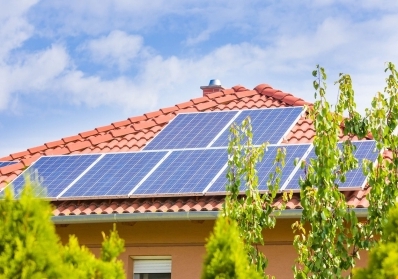
Busted: While some initial investments in eco-energy products like solar panels can have upfront costs, the long-term savings on energy bills often make them economically viable for a wider range of income levels. Furthermore, government incentives, financing options, and community solar programs are making renewable energy more accessible. Energy efficiency measures, like switching to LED bulbs and improving insulation, are often low-cost and offer immediate savings.
The Importance of Facts:
Navigating the world of eco energy requires relying on accurate information and understanding the nuances of different technologies and solutions. By debunking these common myths, we can empower ourselves to make informed decisions and embrace the transition to a cleaner, more sustainable future based on facts, not fiction.
Latest Articles




Latest Updates in Online Courses and Education.
The initial investment in renewable energy solutions might seem daunting to some homeowners. However, when you look beyond the upfront...
Read MoreWe all know the headline reasons for switching to green energy: reducing carbon emissions, combating climate change, and potentially lowering...
Read MoreEmbarking on the journey to make your home more eco-friendly with energy-efficient products is an exciting and impactful decision. However,...
Read MoreIn today's world, making conscious choices about the products we bring into our homes has a ripple effect that extends...
Read MoreHarnessing the power of the wind to generate electricity might seem like a concept reserved for sprawling wind farms. However,...
Read MoreWant to live more sustainably and shrink your impact on the planet? Choosing eco-friendly products in your daily life is...
Read MoreThe sun – a colossal, inexhaustible source of energy. Harnessing its power through solar panels is no longer a futuristic...
Read MoreThe world is at a pivotal moment in its energy journey. As we increasingly recognize the urgency of climate change...
Read MoreExploring the Ancient World: Bible History & Archaeology
Uncover the people, places, and events that shaped biblical and ancient history.
Dive into a rich collection of resources on ancient civilizations, biblical archaeology, and historical contexts. From the empires of Babylon and Assyria to the life of Jesus and the early church, discover maps, timelines, commentaries, and scholarly insights that bring the ancient world to life. Explore the intersection of faith, history, and archaeology with our curated articles, maps, and studies.