The Ultimate Guide to Wind Energy for Homeowners
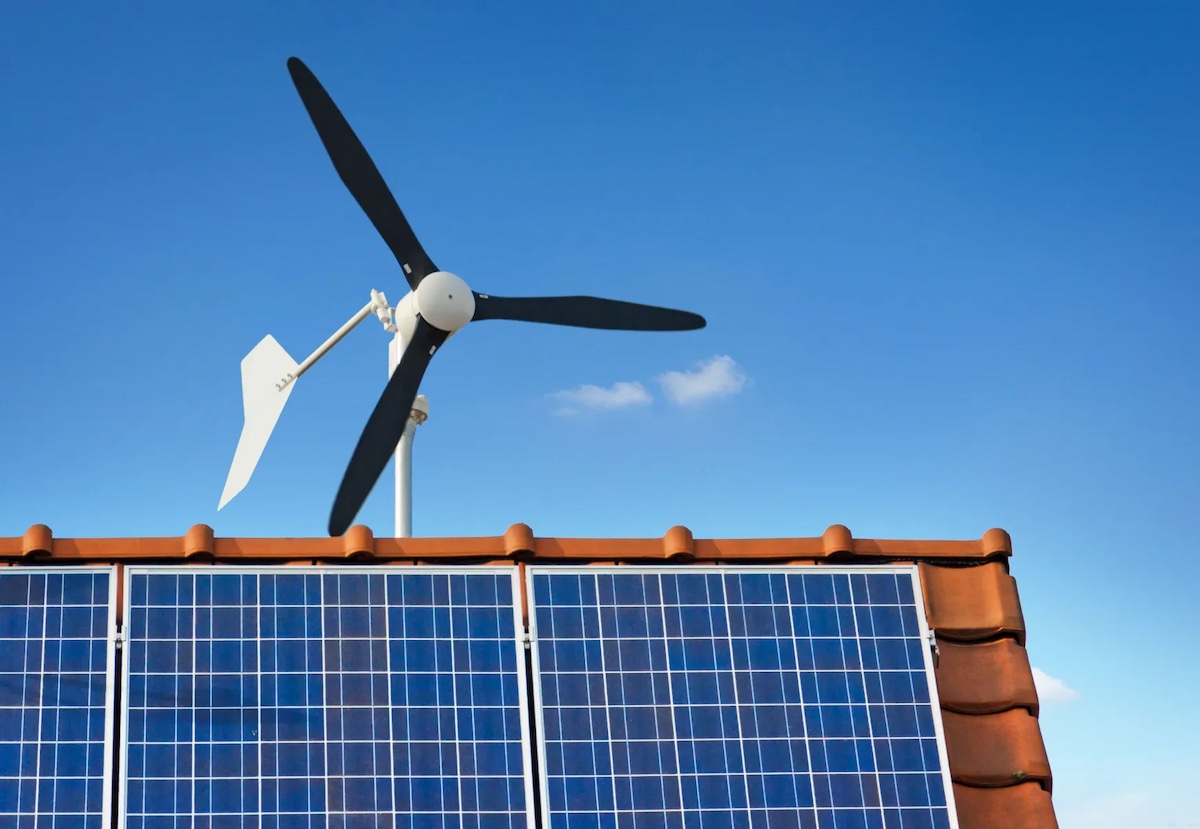
Harnessing the power of the wind to generate electricity might seem like a concept reserved for sprawling wind farms. However, advancements in technology and a growing desire for energy independence are making residential wind energy systems an increasingly viable option for homeowners. This ultimate guide will walk you through everything you need to know about bringing wind power to your property.
Understanding Residential Wind Energy Systems
Unlike large-scale wind farms, residential wind turbines are typically smaller and designed to meet the energy needs of a single home or a small property. These systems generally consist of:
- Wind Turbine: This is the visible part with blades that rotate in the wind, capturing its kinetic energy.
- Generator: Connected to the rotor, the generator converts the rotational energy into electricity.
- Tower: Supports the turbine at a height where wind speeds are typically more consistent and stronger.
- Inverter: Converts the direct current (DC) electricity generated by the turbine into alternating current (AC) electricity that can be used in your home or fed into the grid.
- Wiring and Controls: These components manage the flow of electricity and ensure the system operates safely and efficiently.
- Optional: Battery Storage: Similar to solar systems, batteries can store excess wind energy for use when the wind isn't blowing.
Types of Residential Wind Turbines
There are two main types of small wind turbines suitable for residential use:
- Horizontal Axis Wind Turbines (HAWTs): These are the most common type, featuring blades that rotate around a horizontal axis, similar to the large wind turbines you see in wind farms. They are generally more efficient but can be noisier and require a mechanism to turn them into the wind.
- Vertical Axis Wind Turbines (VAWTs): These turbines have blades that rotate around a vertical axis. They are less efficient than HAWTs but can operate in turbulent winds and are often quieter and safer for birds.
Is Wind Energy Right for Your Home? Factors to Consider
Before you get swept away by the idea of your own wind turbine, several crucial factors need careful consideration:
- Wind Resource: This is the most critical factor. You need consistent and adequate wind speeds on your property to make a wind turbine economically viable. Resources like wind maps and local data can give you an initial idea, but an on-site wind assessment is highly recommended.
- Zoning and Permitting: Local zoning ordinances and building codes often regulate the installation of wind turbines. Height restrictions, noise levels, and setback requirements are common considerations. You'll need to obtain the necessary permits before installation.
- Property Size and Terrain: You'll need enough open space to accommodate the turbine and its tower, ensuring sufficient clearance from trees, buildings, and power lines. The terrain can also affect wind flow.
- Noise Levels: Wind turbines, especially HAWTs, can generate some noise. Consider the proximity to your home and neighboring properties.
- Visual Impact: Wind turbines can be a significant visual addition to your landscape. Consider the aesthetics and any potential impact on property values.
- Maintenance: Wind turbines require periodic maintenance, including inspections, lubrication, and potential repairs. Factor in these ongoing costs.
- Interconnection with the Grid: If you plan to feed excess electricity back into the grid (net metering), you'll need to coordinate with your local utility company and ensure your system meets their requirements.
- Cost and Incentives: The initial investment in a residential wind energy system can be significant. However, government incentives, tax credits, and the long-term savings on electricity bills can help offset these costs. Research available federal, state, and local incentives in your area.
Benefits of Residential Wind Energy
Despite the considerations, residential wind energy offers several compelling advantages:
- Reduced Electricity Bills: By generating your own power, you can significantly lower or even eliminate your monthly electricity expenses.
- Energy Independence: Wind energy provides a degree of energy independence and reduces your reliance on traditional fossil fuels and the utility grid.
- Environmental Friendliness: Wind is a clean, renewable energy source that produces no greenhouse gas emissions during operation.
- Increased Property Value (potentially): A well-installed wind energy system can be an attractive feature for environmentally conscious buyers.
- Potential for Net Metering: In many areas, you can receive credits on your electricity bill for any excess energy your turbine sends back to the grid.
- Contribution to a Sustainable Future: By embracing wind energy, you're actively contributing to a cleaner and more sustainable energy future.
Getting Started with Residential Wind Energy
If you're serious about exploring wind energy for your home, here are some initial steps:
- Preliminary Research: Start by researching the basics of residential wind energy systems and the different types of turbines available.
- Wind Resource Assessment: Invest in a professional on-site wind assessment to determine the viability of wind energy on your property. This typically involves installing a temporary anemometer (wind speed measuring device).
- Local Regulations and Permitting: Contact your local zoning and planning department to understand the regulations and permitting requirements for wind turbine installations.
- Consult with Professionals: Seek advice from experienced wind energy installers and consultants who can assess your site, recommend appropriate systems, and handle the installation process.
- Evaluate Costs and Incentives: Get detailed quotes from installers and research all available financial incentives and tax credits.
- Consider Battery Storage: If energy independence and backup power are important to you, explore battery storage options.
The Future of Home Wind Energy
While solar energy has seen more widespread adoption, advancements in wind turbine technology, decreasing costs, and increasing awareness of renewable energy are making residential wind energy a growing trend. Hybrid systems that combine wind and solar power are also becoming more popular, offering a more reliable and consistent energy supply.
Residential wind energy presents an exciting opportunity for homeowners to generate their own clean electricity, reduce their carbon footprint, and potentially save money on energy bills. However, it's crucial to thoroughly assess your site's wind resource, understand local regulations, and carefully weigh the costs and benefits before making a decision. With the right conditions and a well-planned system, harnessing the power of the wind can be a rewarding and sustainable investment for your home.
Latest Articles






Latest Updates in Online Courses and Education.
The initial investment in renewable energy solutions might seem daunting to some homeowners. However, when you look beyond the upfront...
Read MoreThe world of eco-friendly energy is constantly evolving, bringing with it a wealth of information – and unfortunately, some misinformation....
Read MoreWe all know the headline reasons for switching to green energy: reducing carbon emissions, combating climate change, and potentially lowering...
Read MoreEmbarking on the journey to make your home more eco-friendly with energy-efficient products is an exciting and impactful decision. However,...
Read MoreIn today's world, making conscious choices about the products we bring into our homes has a ripple effect that extends...
Read MoreWant to live more sustainably and shrink your impact on the planet? Choosing eco-friendly products in your daily life is...
Read MoreThe sun – a colossal, inexhaustible source of energy. Harnessing its power through solar panels is no longer a futuristic...
Read MoreThe world is at a pivotal moment in its energy journey. As we increasingly recognize the urgency of climate change...
Read MoreExploring the Ancient World: Bible History & Archaeology
Uncover the people, places, and events that shaped biblical and ancient history.
Dive into a rich collection of resources on ancient civilizations, biblical archaeology, and historical contexts. From the empires of Babylon and Assyria to the life of Jesus and the early church, discover maps, timelines, commentaries, and scholarly insights that bring the ancient world to life. Explore the intersection of faith, history, and archaeology with our curated articles, maps, and studies.